


PSEG
PSEG
I use utility apps differently from entertainment apps: I want to finish a practical task quickly, understand what is happening, and leave without having to fight the interface. PSEG is built for that kind of visit. It is a free business app from PSEG for managing a PSE&G account while away from a computer. Its purpose is narrow, but that can be a strength when the job is checking an account or handling a routine utility matter from a phone.
My overall impression is that this is best viewed as a mobile account-management tool rather than a complete replacement for every way of dealing with a utility provider. It is aimed at existing PSE&G customers, not at people looking for general energy advice or a broad household-finance dashboard. If your main need is to keep an eye on your account during ordinary day-to-day situations, it has a sensible role. If you prefer speaking with support, visiting a full website, or managing several providers in one place, its usefulness is more limited.
What the app is really for
The app sits in the business category and comes from PSEG, with the store summary presenting it as PSE&G account management on the go. That description is important because it sets the right expectation: the central experience is connected to your utility account, not a standalone calculator, news reader, or smart-home controller.
I would install it when I wanted a more convenient way to reach my PSE&G account from a phone. A mobile account tool is particularly useful when a desktop is unavailable, when a bill needs attention while traveling, or when I want to check account information without opening a browser and searching for the company’s website. Those small moments are where an app like this earns its place.
It is also worth separating the app from the company itself. PSEG is the developer, while PSE&G is the account service represented in the app. That distinction matters if you are deciding whether it applies to you. The app makes sense for a customer with a relevant PSE&G account; it is not a general-purpose utility-management app for every electricity or gas provider.
Related News

Why WhatsApp Messenger Still Makes Everyday Communication Feel Easy

Jurassic World: The Game Is the Better Dino Tycoon for Strategic Players

Threads in Real Life: Who Should Join, Lurk, or Leave

How SHEIN Turned Shopping Into an Endless Content Feed

How to Make Fortnite Feel Smarter on Mobile

Should You Switch to Microsoft Outlook on Mobile?
Cost and access
The app is free to download and use in the sense that no purchase price is attached to it. That makes the value question straightforward: you are not buying a premium tool, so the standard is whether it saves enough time and effort compared with using the usual account website or contacting the provider through another channel.
I would not confuse a free download with free utility service. The app is a digital access point for account management, not a way to remove charges from a PSE&G account. Its financial value comes from convenience, visibility, and quicker access to account tasks. For an existing customer who regularly handles utility business on a phone, that convenience can justify keeping it installed.
The age rating is Everyone, which fits the app’s practical purpose. The current version is 66497, and the minimum operating-system requirement is Android 10. That requirement is easy to overlook before installation, especially if you keep an older phone for household administration. Checking compatibility first can prevent an unnecessary download attempt.
Gallery
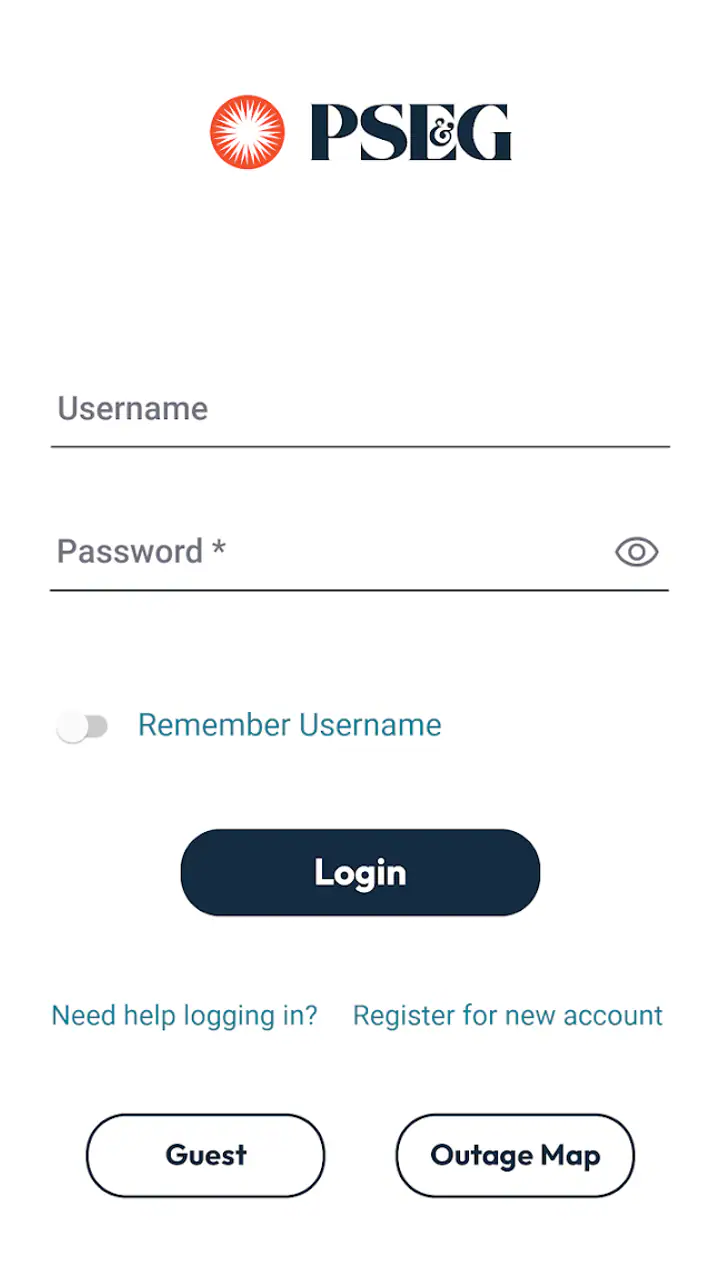
The app has passed the threshold of 100K+ installs and carries a 3.6 average from around 2.4K ratings, alongside 789 written reviews. Those figures suggest a real user base but also a mixed experience rather than universal approval. I would treat that rating as a reason to keep expectations realistic: the app may be useful, yet it is not wise to assume that every account task will feel effortless on every device.
Where the value appears in everyday use
The clearest benefit is reducing the number of steps between a question and your account. Suppose I am leaving home for a few days and want to check whether a recent utility payment or account update is reflected. Opening a dedicated account app can feel more direct than locating a saved browser bookmark, navigating a website, and signing in through a mobile page that was designed first for a larger screen.
That convenience becomes more meaningful when the task is time-sensitive. A person may notice an account issue while commuting, receive a reminder while away from a laptop, or need to review household utility information while helping a family member. In those situations, a phone-based account entry point is not exciting, but it is practical. The app’s real value is reducing friction around routine account attention, not adding entertainment or broad financial planning tools.
I also see a useful household workflow here. One person can keep the app available for quick account checks while another handles long-form paperwork or support conversations elsewhere. That division prevents the mobile app from carrying responsibilities it may not be designed to handle. Use it for the short visit; move to a fuller channel when the matter becomes complicated.
Another sensible habit is to use the app as a first check before escalating a question. If the information you need is already visible in your account, you may avoid waiting for assistance. If it is not, you have at least confirmed what the account interface shows before contacting support. That can make a later conversation more focused, especially when several household members are trying to understand the same issue.
Useful habits that make the mobile experience better
My first tip is to install and sign in before an urgent moment. A utility account app is least convenient when you are already worried about a deadline or trying to resolve a problem immediately. Setting it up during a calm moment gives you time to confirm that you are using the correct account and that the phone is compatible.
My second tip is to treat the app as a verification tool rather than your only record. For important household administration, I would still keep relevant confirmations or notes in the place where I normally organize bills. A mobile account view is convenient, but relying on one app for every reminder and document can create avoidable confusion if you change phones, lose access, or need to compare information later.
Third, use the app to narrow a question before choosing a support channel. Instead of contacting PSE&G with a vague concern, I would first identify whether the issue is about the account view, a payment-related matter, or something that requires direct assistance. That small preparation can save time and helps distinguish an app problem from an account problem.
Finally, I would avoid judging the whole service from one slow or awkward session. Account apps depend on the relationship between the phone, the operating system, the login process, and the provider’s online systems. If a task fails, retrying later or switching to the regular website can tell you whether the difficulty is temporary or specific to the app. The important point is to have a backup route rather than assuming the mobile app must handle everything.
Trade-offs compared with the usual alternatives
The most obvious alternative is the PSE&G website in a mobile browser. A website can be preferable when you need a broader view, when you are using a computer, or when you do not want another app taking space on your phone. It may also feel more familiar to customers who already have a browser bookmark and do not regularly manage their account from mobile.
The app’s advantage over that route is focus. A dedicated icon is easier to reach than searching for the correct website, and an app can feel more natural for short account visits. The trade-off is that it adds another installed service to maintain and may be less comfortable when a task involves extensive reading, printing, or comparing several pieces of information.
Another alternative is direct contact with PSE&G. Speaking with a representative or using a support channel is the better choice when the issue is unusual, sensitive, or difficult to explain through an account screen. The app can help you prepare, but a self-service interface should not be mistaken for personal assistance. If you need interpretation, dispute resolution, or a detailed explanation, the human route may be more appropriate.
General bill-organizing apps are a different kind of alternative. They can be useful for households that track multiple providers, plan monthly spending, or share financial responsibilities across several accounts. PSEG is more specific: its value depends on having a PSE&G relationship and wanting direct account access. A general organizer may be better for a multi-provider household, while this app is more relevant when direct utility-account access matters most.
The mixed average rating also belongs in this trade-off discussion. Around 2.4K ratings and 789 reviews show that people have enough experience with the app to form varied opinions. I would not read the number as proof that the app is unusable, but I would take it as a reminder to keep a browser or support option available. A free app can still cost time if it becomes the only method you trust.
Who is likely to get the most from it?
This app is a good fit for an active PSE&G customer who handles account matters from an Android phone and values quick access over a wide range of extra tools. It is especially sensible for people who check their household utility account periodically, prefer mobile self-service, and want a dedicated place to begin before opening a browser or contacting support.
It can also suit households where account responsibility is shared. One person may be responsible for checking account information while another manages the broader household budget. In that arrangement, the app does not need to replace a budgeting system; it simply provides a direct window into the provider account. That focused role is easier to manage than forcing one tool to do everything.
People using older Android phones should pay attention to the Android 10 minimum. If the device cannot meet that requirement, the app is not the right route for that phone, and the regular website or another supported device may be more practical. Likewise, anyone who rarely uses mobile apps may gain little from installing it if the browser already meets their needs.
I would be less enthusiastic about it for someone who manages several utility providers, needs advanced household budgeting, or expects a single app to explain every billing and service question. Those users may be happier with a general finance tool plus direct provider access. The narrow focus is helpful for the right customer, but it is also the reason the app is not universally useful.
My verdict on installing it
I would recommend PSEG to eligible PSE&G customers who want free, direct mobile access to routine account management. The app’s value is practical rather than spectacular: it can make short account visits easier, help you check information before seeking support, and give a household a convenient phone-based starting point.
I would not recommend installing it solely because it is free. If you already prefer the website, rarely check your account, or need a multi-provider budgeting system, the app may add little. The 3.6 average indicates that the experience is not flawless for everyone, so I would keep an alternative channel available for important matters.
My final view is favorable but measured. Install it when direct PSE&G account access on an Android phone solves a real recurring inconvenience; skip it when your browser or a broader financial tool already does the job better. It is a focused business app, and that focus is both its strongest reason to use it and its clearest limitation.
FAQs for PSEG
What is PSEG, and what can I use it for?
PSEG is the official mobile app for Public Service Electric & Gas customers. It is designed to make managing your utility account more convenient from an Android or iOS device. Depending on your service area and account type, you can view bills, check account details, make payments, monitor energy usage, report certain issues, and access support without needing to use the full website.
Can I pay my PSEG bill through the app?
Yes, the PSEG app generally allows eligible customers to review their current balance and pay their utility bill from a mobile device. Available payment methods may include a bank account or card, depending on the account and region. Before confirming a payment, check the amount, processing date, and any applicable fees. Payment features can vary between PSE&G and PSEG Long Island services.
Do I need a PSEG account to use the application?
Many of the app’s personalized features require you to sign in with an online PSEG account. Registration typically involves providing account information and verifying your identity. Some general information or emergency resources may be available without logging in, but viewing bills, managing payments, receiving account alerts, and accessing usage details usually requires an active customer account.
Is the PSEG app safe to use for account and payment information?
The official PSEG app is intended to provide secure access to utility account services, but users should download it only from the verified Google Play Store or Apple App Store listing. Avoid unofficial APK files and suspicious links. Use a strong, unique password, keep your phone’s operating system updated, and enable device security features such as a screen lock or biometric authentication.
What should I do if the PSEG app is not working or cannot display my account?
If the app fails to load, crashes, or does not show your account, first check your internet connection and install any available app updates. Closing and reopening the app, restarting your device, or signing out and back in may also help. If the problem continues, use PSEG’s official website or customer-service channels, especially for urgent outages, payment deadlines, or service emergencies.
Pros
- Quick access to account balances
- bills
- and payment history.
- Conveniently report power outages from your mobile device.
- Outage updates help track restoration progress in your area.
- Paperless billing options reduce clutter and simplify bill management.
- Useful energy information can help customers monitor consumption.
Cons
- Some features require an active PSEG online account.
- Outage information may be delayed during widespread emergencies.
- Payment and account tools can feel limited compared with the website.
- Notifications may require separate permission and device settings.
- App usefulness depends on your location within PSEG service areas.


